
What’s a good way to determine how much you should sell a 3D printable design for?
Pricing a design is a very personal decision and depends on your goals. Some factors to consider are:
- How much time and skill went into making the design?
- Do you offer many designs or a few, select ones?
- Do you have a specialized skill or original approach to design that your audience might pay a premium for?
Also consider your market: Look at how much other designers are selling similar designs and the price range they are setting. If you price lower than the average you may be undercutting yourself and other designers, but if you set your price too high, you could isolate yourself.
With 3D designs, along with other creative work, pricing can be especially tricky because many people expect designs to be free. This comes from a noble place: A large part of the 3D printing and design community was built on an open source, skill-sharing mentality. However, 3D design is a specialized skill and your creativity is your own, so it’s important to value those qualities as well as the testing, research, and development that went into perfecting your designs.
When they’re just starting out, some designers offer their designs for free in order to build an audience. You can consider listing smaller, less complicated designs for free and your more complicated, unique creations for a price. But beware of setting your prices too low: You can always lower prices or offer a discount or sale, but it’s more difficult to raise them.
How might different pricing models, like monthly subscriptions or commercial licenses, affect how a creator thinks about their overall pricing strategy?
If you are offering your designs via a monthly subscription, such as on a platform like Thangs, you will have one monthly price that gives your subscribers access to a certain number of your designs. You can still offer individual designs for people who are looking for one specific item, but you may want to list the individual design for a higher price so your customers are incentivized to join your membership.
Consider if you also want to offer a higher-priced commercial license that enables makers to print and sell your designs. If you do this, you can set limits on where you do, or do not, want them to sell. For example, many designers do not allow their commercial license customers to sell prints on Amazon.
What if a designer also wants to sell actual printed models of their design? What factors should they consider?
If you want to sell physical versions of your product, think about whether you want to use a service like Thangs Print Store, which takes care of the production, shipping, and customer service for you; work with a local printer; or print them yourself. You’ll have to weigh the time and expense involved with each, including materials like filament, and how that factors into the price.
What are some ways designers can stand out or market their designs?
There are many strategies for standing out and building an audience as a designer, including:
- Presenting your models well with high-quality photography and clear descriptions.
- Defining your brand, audience, and niche.
- Building a community and a following on social media.
No matter what platform you’re using, high-quality photography of printed models, detailed descriptions, and clear printing instructions will help you stand out. This will build trust with your audience and show your customers and potential customers exactly what they can expect if they buy your design. For more details, check out Thangs’ guide to presenting your models so they sell.
Defining who you are designing for and marketing to is important. Are you making toys for kids? Games and puzzles? Something for a specific hobby, like tabletop games or model trains? Storage solutions for a garage or workshop? Mid-century style home decor? Knowing who your target audience is can help you define your aesthetic, how you present your products, and how to stand out. Keeping your aesthetic and style consistent builds trust with your customers, so they know what to come to you for.
Building a presence on social media is also important so that you have channels through which to share and build interest in your designs. You can create a following by participating in other communities related to your niche or interest, posting on forums, sharing on Reddit, or liking, commenting, and following other creators similar to you. Thangs put together the basics for creating great social media as a 3D designer to help you get started.
What are some success stories from the Thangs community?
On Thangs, we’ve seen creators take 3D printing from a hobby to a full-time business. For example, Kaoz Studios (creators of the Tactical Kaoz and Kaoz Kitten brands) began by making one 3D-printed cookie cutter. When this product took off they saw that people wanted the creative designs that they made, but fulfilling physical production orders became a challenge. They shifted to digital creation, which is now their full-time job. They emphasize the importance of testing the market with one or two products, honing your unique style, and finding your niche as keys to success.
Design team Valeria Momo & Mattia found success with their distinct, cute, and easily printable designs. They expanded into software tools that enable users to customize and print their creations, such as the Cute Flexi Maker, which makes flexi animals. It’s inspiring to see how designers can take their creativity in many different directions.
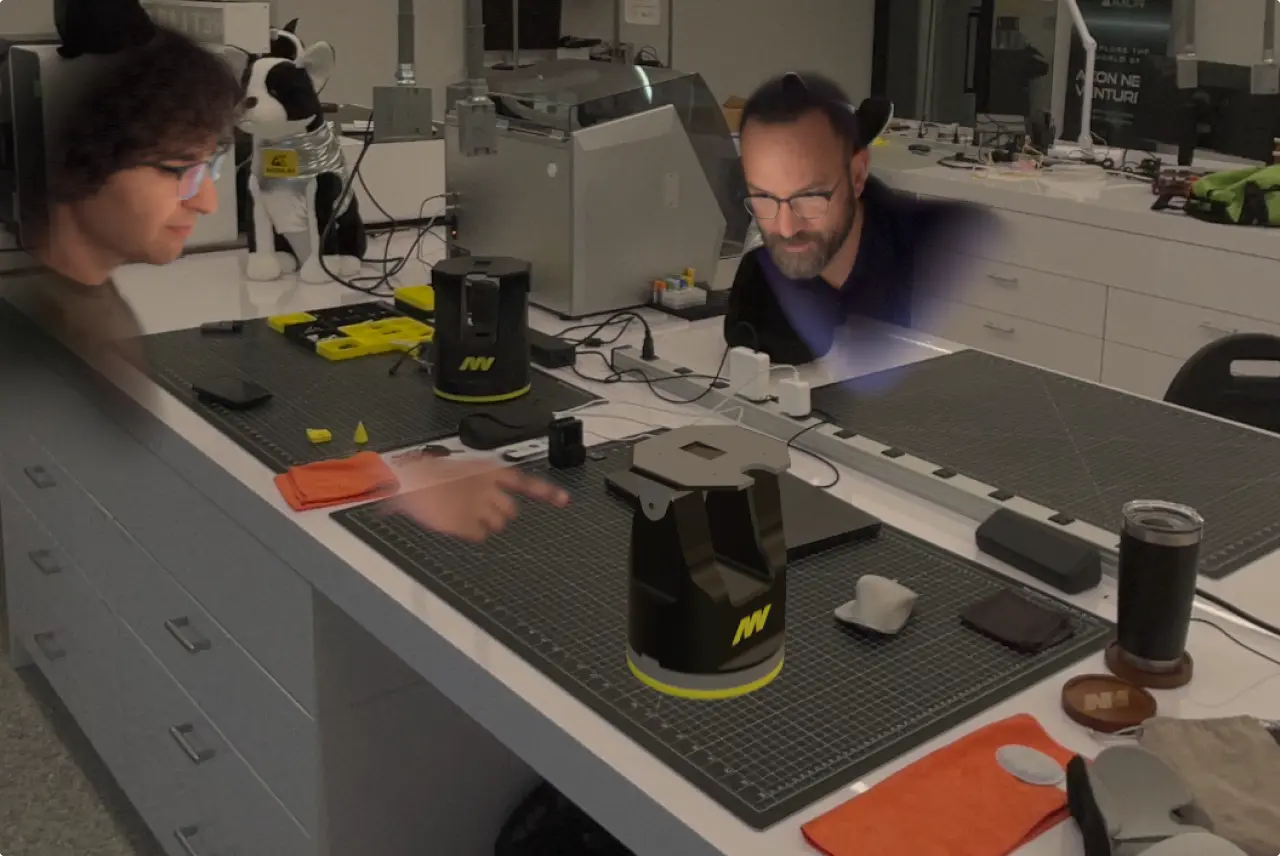
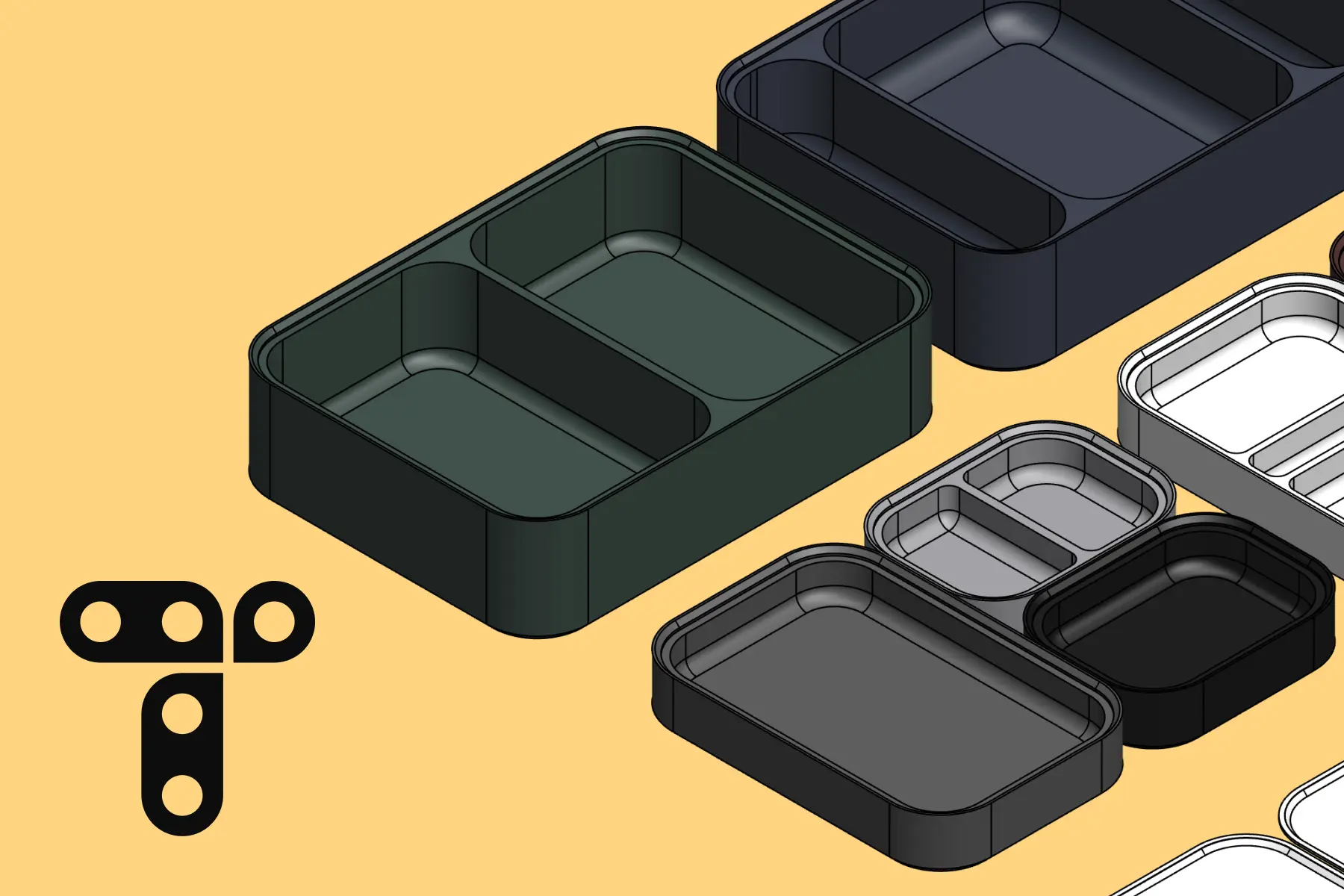
Designer MultiBuild created a modular grid system that enables makers to customize their storage in their workshop, studio, or garage. He has scaled up his designs and business so that he will soon be able to offer injection-molded parts for the grid to help his community members start building their storage systems faster.
It’s important to note that there are many ways to be successful as a 3D designer — it all depends on your goals! Maybe you want to quit your job and have design be your full-time gig. Maybe you want it to be a profitable side hustle. Maybe it’s a fulfilling hobby and you want to share your creations with your community. What’s important is that you define success for yourself.
Any common mistakes you see beginners make when they first get into selling their 3D designs? What advice do you have?
My advice would be that it’s okay to start slow and not sell your designs immediately. It takes time to find your voice, vision, and niche. Don’t be afraid to experiment with your designs until you find an approach that works for you and that you enjoy. This will shine through to your customers!
Take the time to print, test, and photograph your designs. With the rise of AI, we see a lot of unprintable and untested models. These look appealing, but can lead to customer disappointment and a bad experience. It’s important to put yourself in your customer’s shoes so that you can understand any challenges or tricky spots that they may run into while printing your designs.
Find a style of creation that works for you. A lot of designs chase what’s popular and put a lot of emphasis on “going viral” on social media. This is certainly a strategy that works for some designers, but it can lead to burnout and frustration for others. Chasing trends doesn’t have to be your only way to build a successful and sustainable 3D design and printing business. Honing your designs, sharing your work consistently, and finding and engaging with your community are key strategies for longevity.
That said, embrace change! Styles and technologies evolve quickly, so don’t be afraid to experiment with something new and keep growing. Take time to assess your progress every three to six months. What have you made that got a good response? What is selling well? What do you like making? What are you no longer interested in? Paying attention to what’s working and what isn’t can help you decide what to stop, start, and continue doing.
Final thoughts
3D printing and design is a learning process. Embrace the process and reach out to others along the way — it makes the journey more fun and rewarding!
Ready to get started? Read our guide on how to list 3D printable design files online, and see how you can start selling on Thangs.