


Waudcray designs and manufactures custom tooling, fixtures, and machines for automotive OEMs and rail manufacturers, from single components to full robot cells.
Manufacturing, automotive & rail tooling
Small
Port Elisabeth, South Africa
The 11-person team that outpaces competition
When Volkswagen, Toyota, BMW, or Mercedes launches a new vehicle model in South Africa, there's a chain of suppliers behind every component. Behind many of those components, there's tooling that has to be designed, quoted, and built first.
That's where Waudcray comes in. Mark Waudby, the director, and his 11-person team design and manufacture custom tooling, fixtures, and machines for automotive OEMs and their tier 1 through tier 5 suppliers, as well as South Africa's rail industry. Their 1,800-square-meter facility runs CNC machines, and Mark personally designs most of what comes off them.
When a major OEM puts out a tooling project, 10 companies quote on it, so time is of the essence. To gain an edge, Mark and his team focus on translating their customers' needs into a detailed concept with a competitive price.
The time spent on explaining ideas
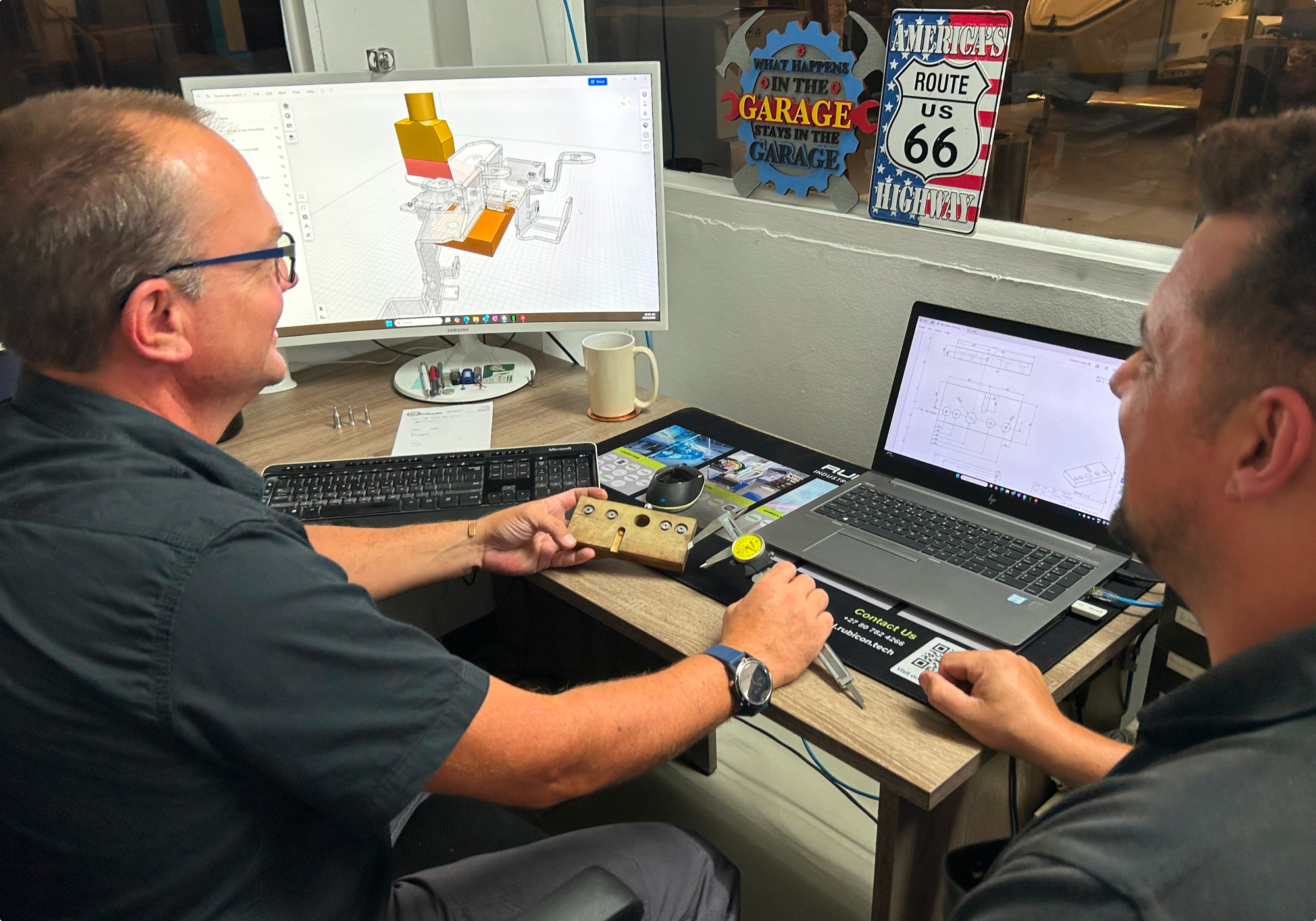
For years, Waudcray's design work was handled in SolidWorks by a dedicated designer. As the company's owner, Mark couldn't spend his days at a workstation, but he was the one who knew what needed to be built. So he described what he had in mind, the designer built it, and the back-and-forth began.
"I'd go back, and I'm like, that's not even close to what I was thinking," Mark says. "Well, this must change. Just getting to a rough concept took forever because of all the back-and-forth. Very tedious, very time-consuming. "
Landing on a rough concept took 6 hours for Mark and his designer, and that wasn't even the full process. Costing, quoting, and revisions still had to happen afterward.
Mark’s decision to do the design work himself
Mark picked up Shapr3D about seven years ago. At first, he used it alongside the existing SolidWorks workflow, but the more he learned, the more he realized he could rely on it for a growing share of the actual design work.
"Two years ago, I would have said the split between Shapr3D and SolidWorks was 50/50. It's 80% Shapr3D and 20% SolidWorks now. If I physically had more time in a day to be on Shapr3D, I would be able to get rid of SolidWorks entirely."
Winning more business
Craig Seal is Waudcray's process engineer, responsible for quoting and customer relationships. Before Shapr3D, he couldn't access designs on his own, so reviewing a model meant sitting next to the SolidWorks designer for hours.
"I was not hands-on," Craig says. "I'd have to find a version I could actually review, then sit with the designer and walk him through what I wanted."
Craig now opens the same models Mark works on in Shapr3D's shared workspace, checks the dimensions, and makes modifications himself.
"Mark showed me the basics, I worked on the tutorials, and within the first week, I was comfortable."
What does he do with the time he used to spend chasing files and sitting with the designer? He estimates that he now has 30% more capacity for customer-facing work.
The impact is straightforward: "It brings in more work, and more sales."
From first meeting to final quote, 50% faster
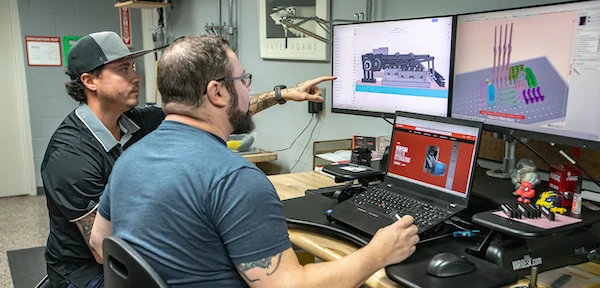
Today, Waudcray's quoting process works like this: Mark meets with the customer and starts mocking up a concept in Shapr3D. At the same time, Craig pulls components from the shared model and begins costing them.
"While I do a design and assembly, he's already doing the costing per component for final assembly," Mark explains. "It's halved our timing from first meeting to final quote."
For a simple single-component job, the full cycle from customer conversation to a manufacturing-ready drawing can take as little as 1.5 hours. Complex projects span weeks, but the principle holds: design and costing run in parallel. The result, quoting takes half the time it used to.
Design details that sell
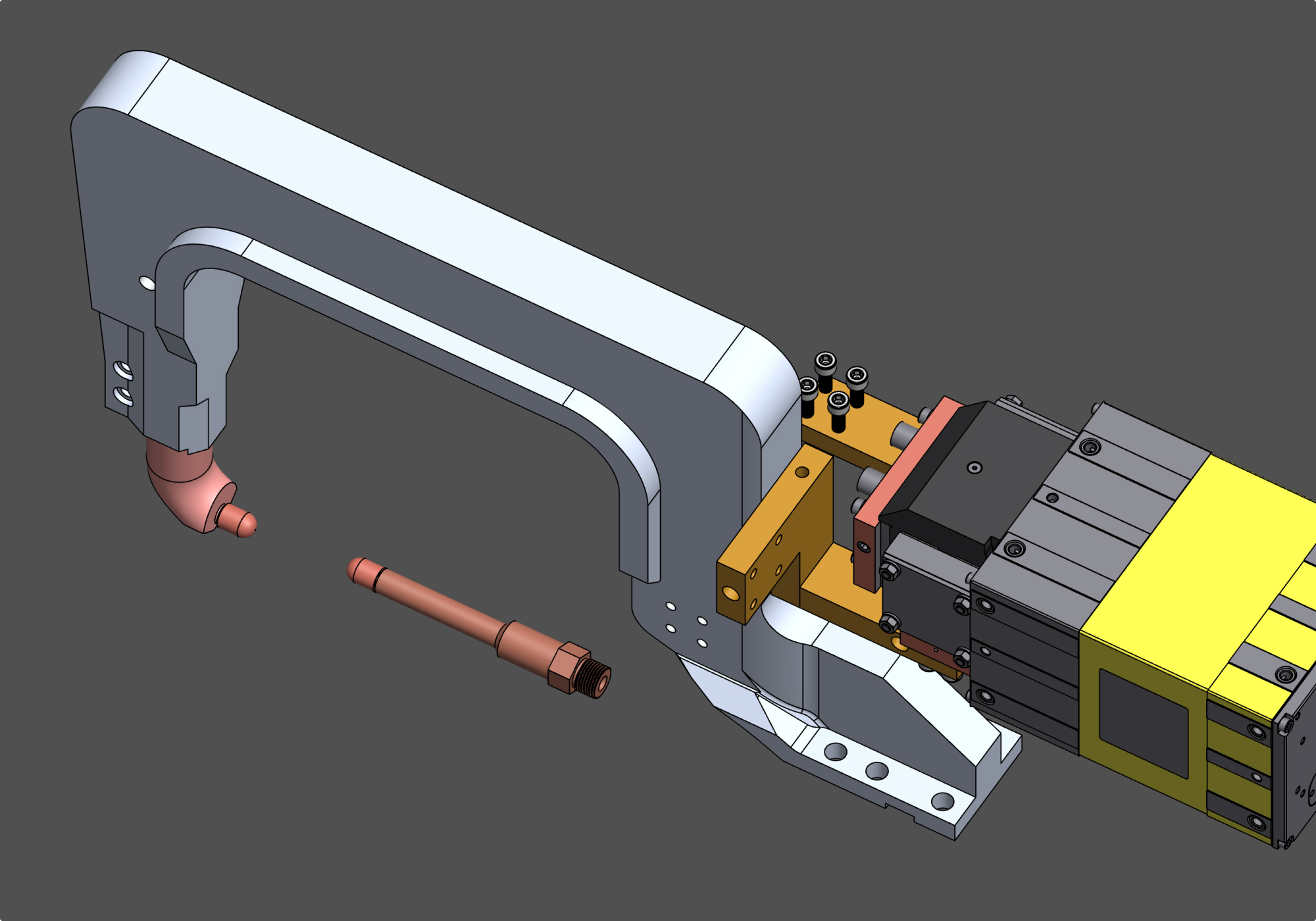
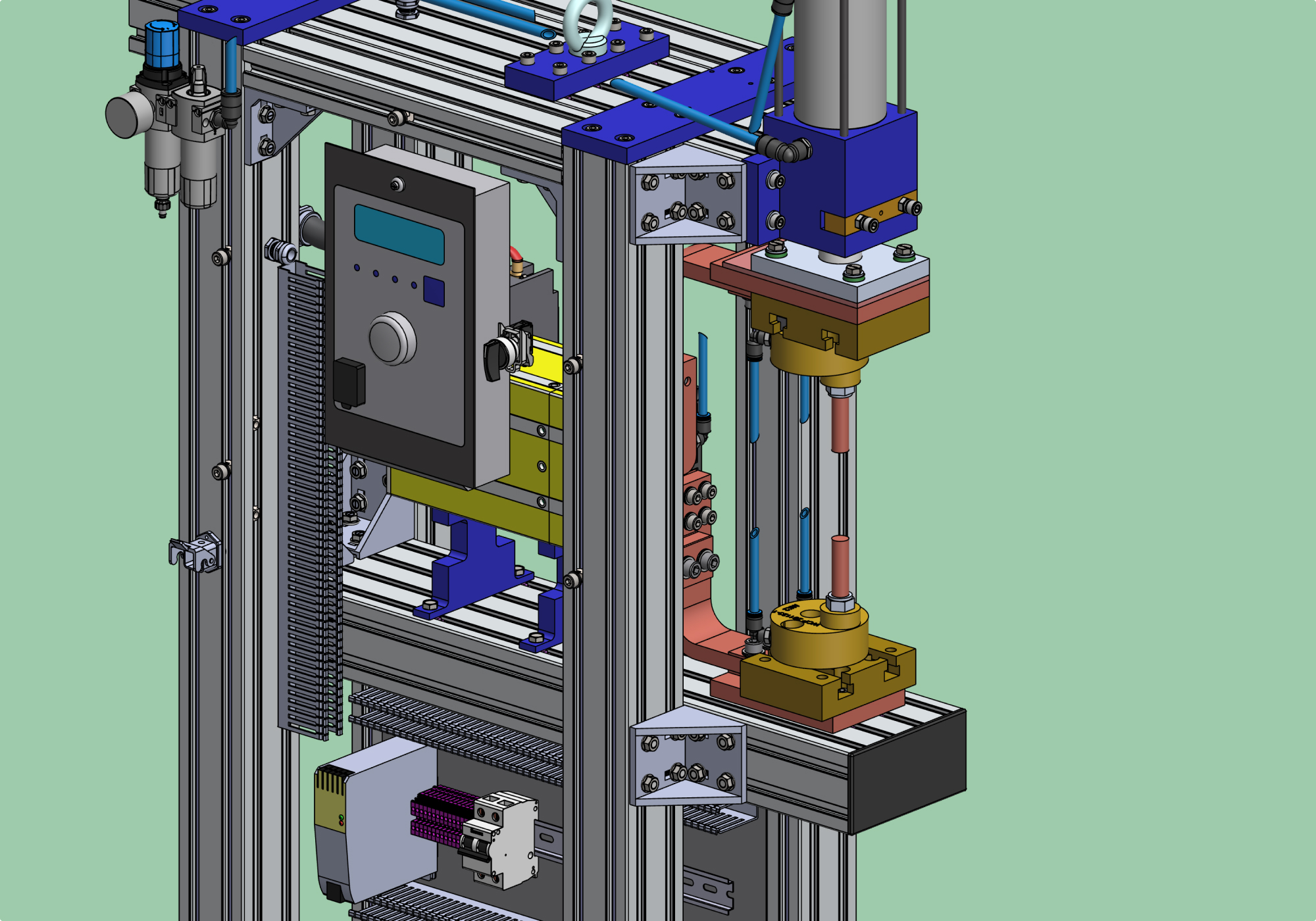
Because Shapr3D is faster, Mark doesn't just finish sooner. He spends the time he saves building more detailed models than most competitors do. Every cap screw, washer, and pneumatic fitting is in place, color-coded by material.
Most tooling firms skip that level of detail. Customers don't expect it, and they never complain when it's missing. But they do notice when it's there.
"They've been very impressed," Mark says. "I've had a number of customers comment that it looks very smart."
Mark believes that's part of what keeps customers coming back. In a market where 10 companies are quoting on the same job, being the most professional option in the room matters.
Design review in 3D
When it comes to customer reviews, instead of showing a screenshot of the 3D model, Mark always presents high-fidelity designs right in Shapr3D.
Before a meeting, Mark sends a link so the customer can explore the model on their own time. "They have a look, come back with questions. ‘What's this distance? Can you adjust that?’ and I say no problem. I adjust the dimensions and send it back right away. Done."
In the meeting itself, if a customer wants something changed, Mark edits the model live. The customer watches it happen, confirms it's right, and they leave the meeting aligned.
Validating with AR
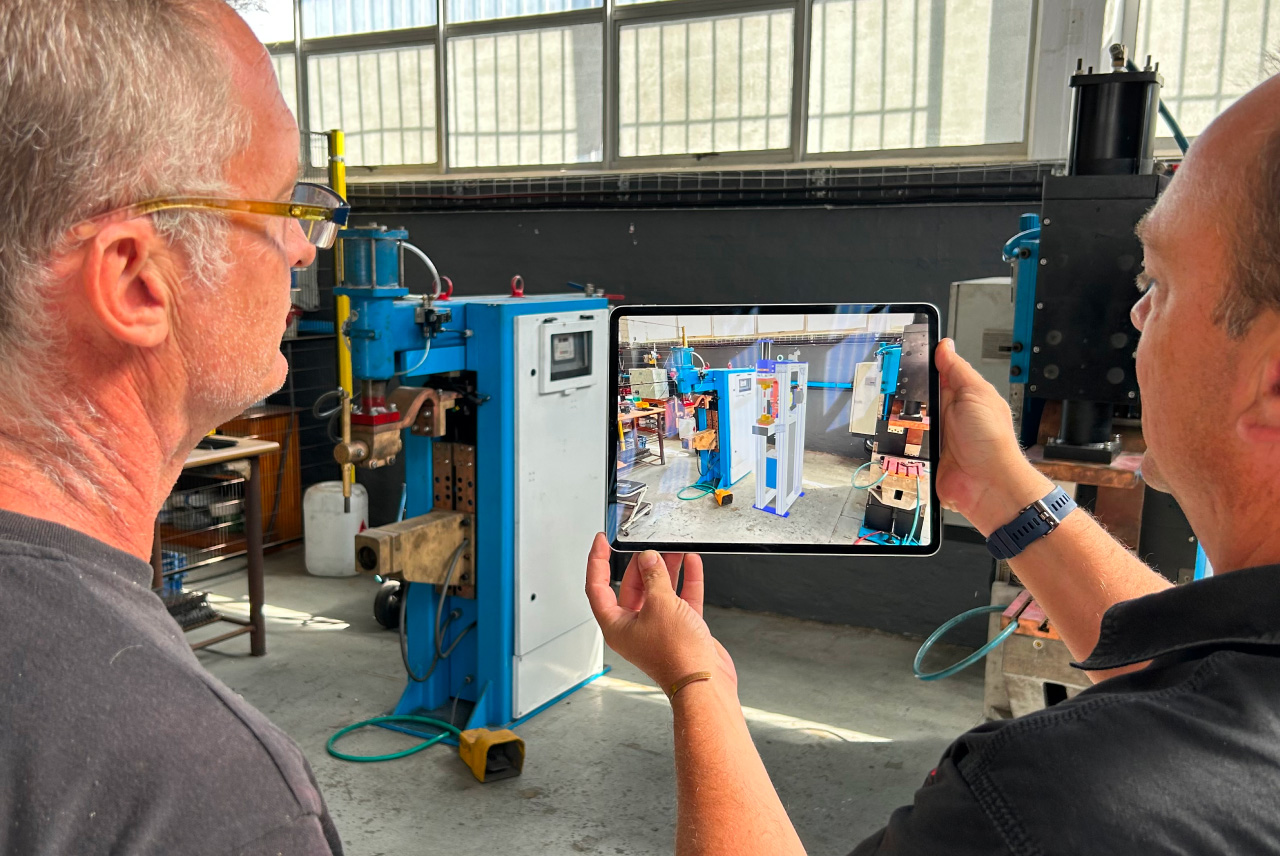
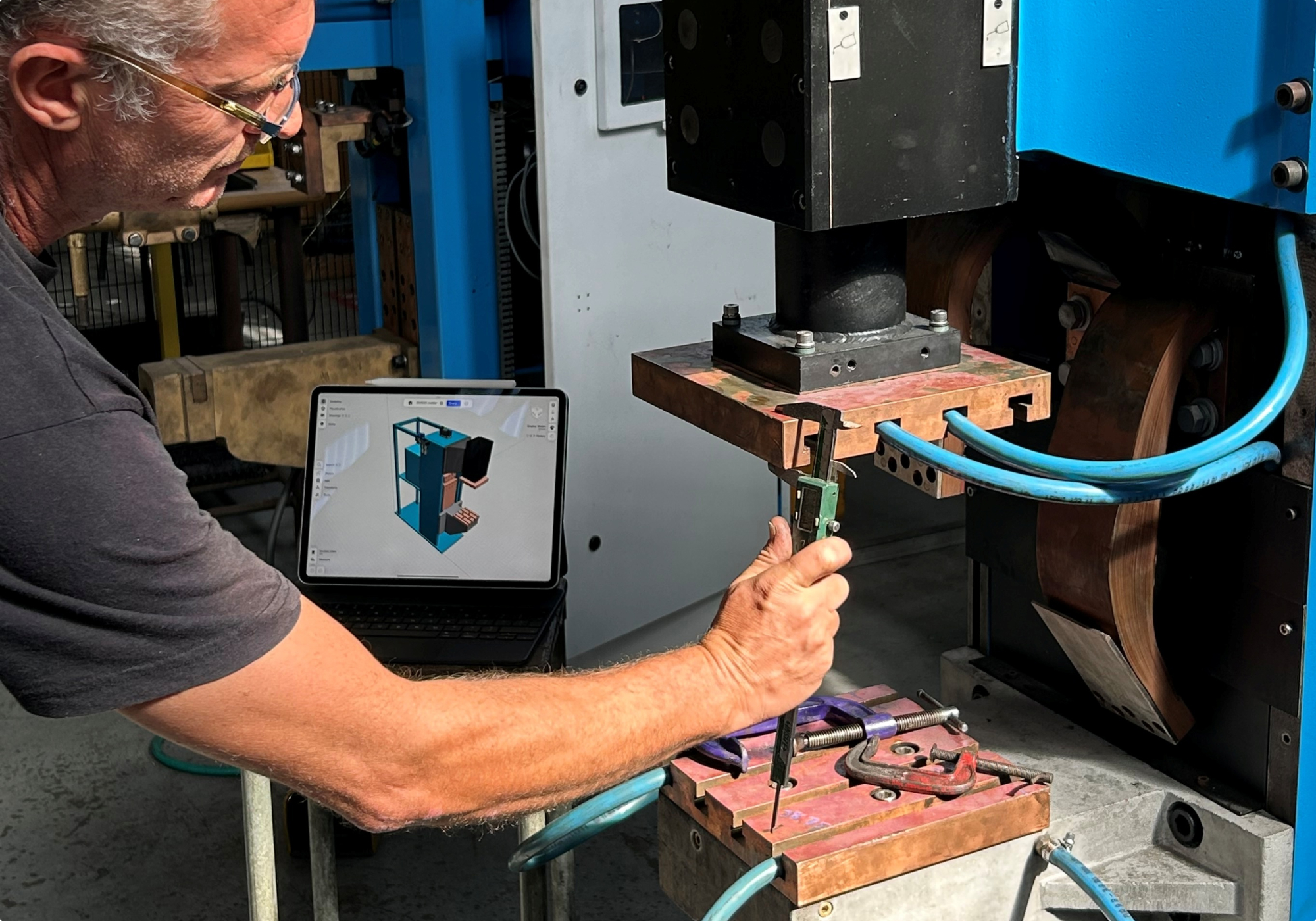
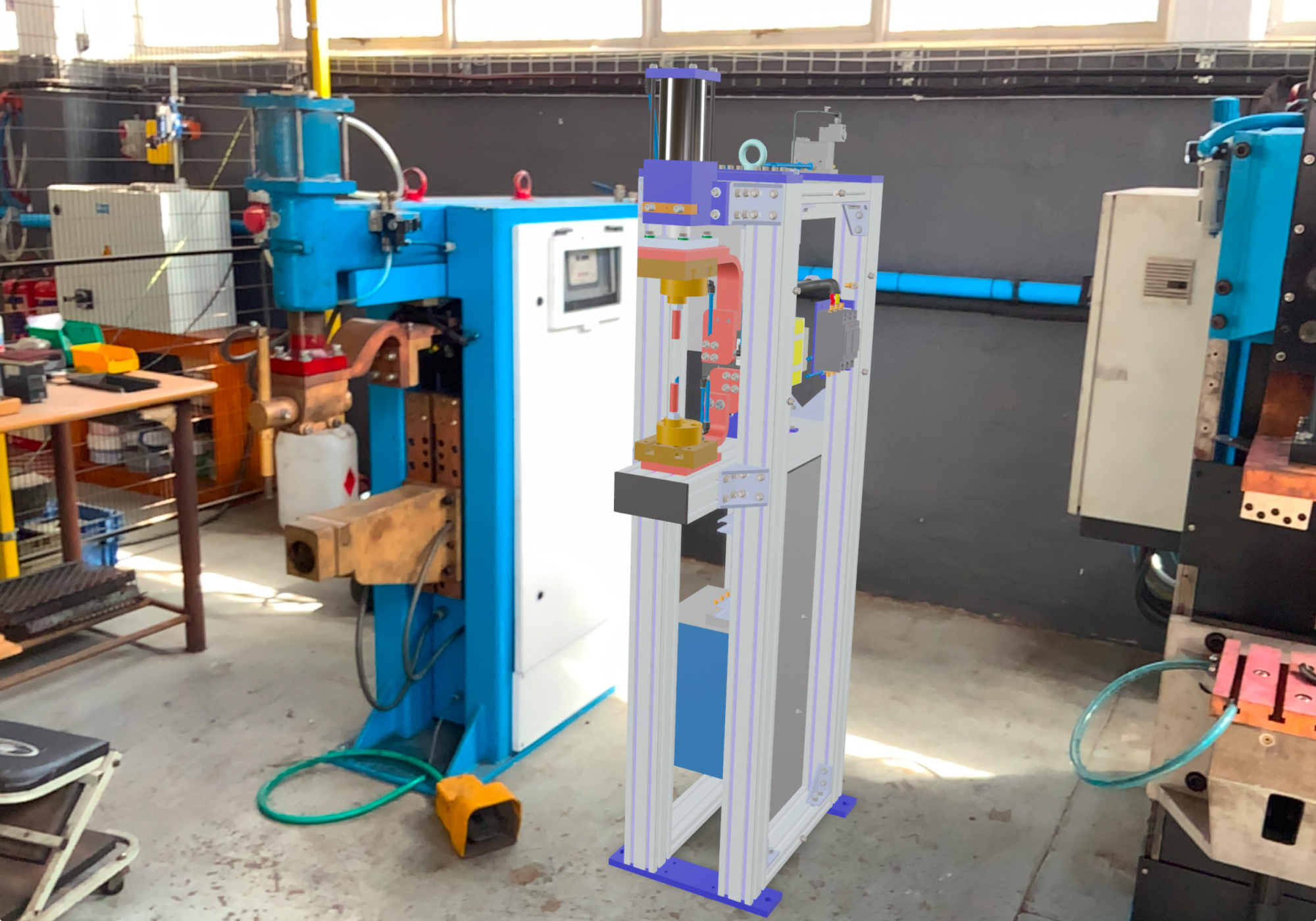
Sometimes the conversation moves to the shop floor. Mark brings the iPad along and uses AR to place full-scale models onto machines. This way, customers can check fit and clearance in the actual environment.
"We could place it there in front of them, and they could physically check fit and scale and say: okay, the spacing is fine."
The competitive edge
Waudcray hasn't grown its headcount. It hasn't expanded its facility. It's still 11 people in 1,800 square meters. But what those 11 people can deliver has changed. Mark designs faster, in more detail, and presents directly to customers without a middleman. Craig reviews models independently instead of alongside a designer, so he can spend more of his time where it matters most: with customers.
Together, they've halved their quoting time, increased their capacity for new work, and built a level of professionalism into their process that keeps customers coming back. In a market where 10 companies show up to quote on the same job, that's not a small thing. That's how a team of 11 keeps winning.